
By Joseph Fox
1/26/2026
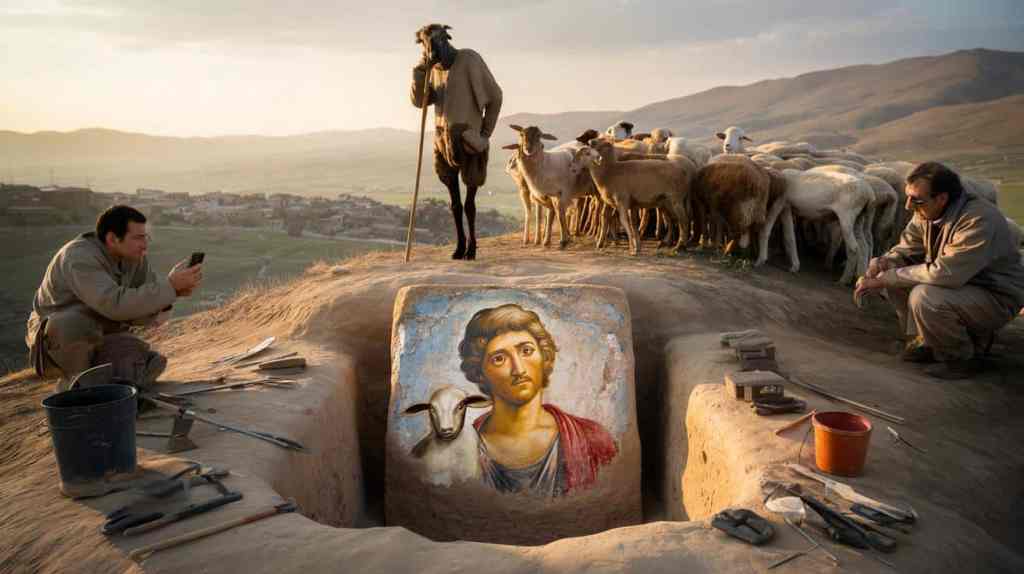
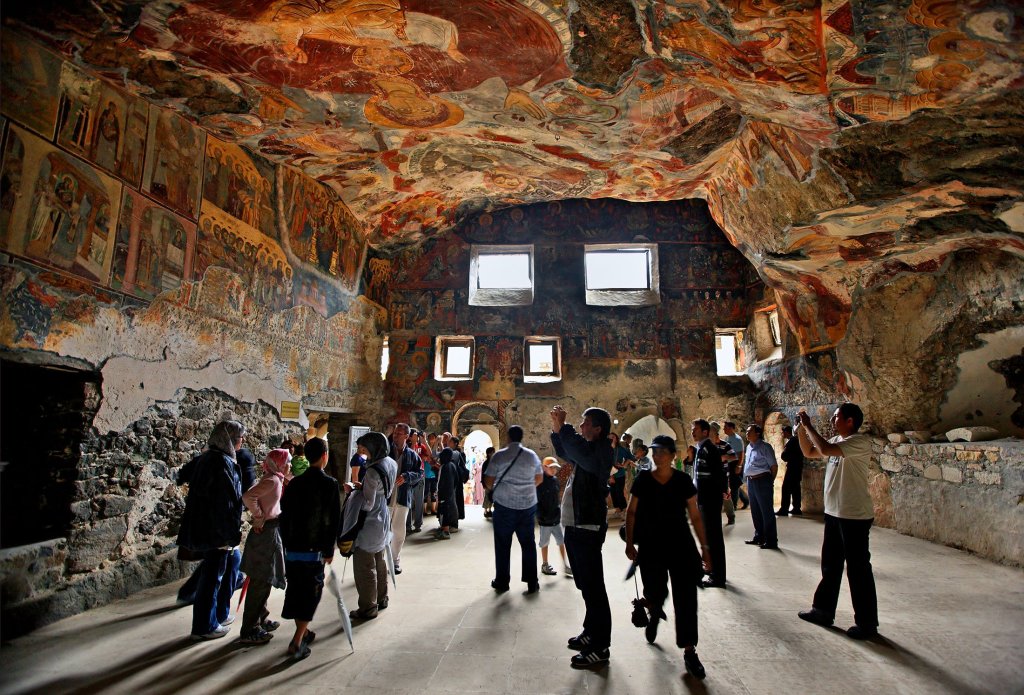
Christian tourism offers a conceptual structure for how travel is recreational, spiritual formation, and educational in history. Valene Smith and William Richards characterize religious tourism as the changing crossroads of religious pilgrimage and cultural encounters with sacred spaces, which have a dual function of devotional and academic. As far as Christian travel, the places they visit for biblical events, historic churches or the expansion of missionary activity allow theology to be experienced by geography, architecture, and community memory rather than strictly through writings or traditions. This is the experiential component which embodies a biblical appreciation of movement as intentional in a way that places where we travel as part of a process of coming face to face with God, both in time and place as is stressed in Made to Travel. An explicitly Christian tour provides additional depth to the experience of believers as well as non-believers, and a level of interpretation that is more relevant to the experience. By reorienting religious sites through a Christ-centric lens they are no longer restricted to the sphere of artistic and architectural expression but emerge as expressions of faith, doctrine, and community identity. By way of the individual, such a view provides historical insight to such monuments as to why the objects came to be turned into symbols for social order, charity and learning and the politics of society for those who have no personal religious affiliations. Instead of constraining interpretation then, a Christian paradigm extends the understanding by locating the cultural heritage within the perspective of the religion which produced it. The tension among Christian and secular tourism arises when religious interpretation is mistaken for ideological persuasion. To avoid this, though, Religious Tourism and the New Evangelization argues that when Christian cultural tourism promotes a reflection of faith, it is rather essential to do so in a manner that does not enforce belief, which presents the Christian faith as an historic and cultural force in the formation of civilizations, rather than as a call for conversion by individuals alone. In this sense, Christian tourism is a different entity from ideological tourism that has often been framed with specific political or social goals. Responsible religious travel, on the other hand, stimulates a moral reflection, cultural respect and global awareness.5 So the central issue will not be whether Christian tourism has a place in a plural society as such, but how best to maintain the authentic Christian character while maintaining the intellectual and cultural openness required for continued Christian development.
Cited Works
- Valene L. Smith and William Richards, eds., Tourism, Religion and Spiritual Journeys, chap. 22 (London: Routledge, 2003).
- “Made to Travel: Traveling in Biblical Perspective,” Liberty University course reading, accessed January 2026.
- Smith and Richards, Tourism, Religion and Spiritual Journeys, chap. 22.
- Pontifical Council for Culture, Religious Tourism and the New Evangelization: Theory and Best Practice in the Pastoral Promotion of the Church’s Cultural Heritage (Vatican City: Libreria Editrice Vaticana, 2009).
- United States Department of State, Bureau of Consular Affairs, “Faith-Based Travelers,” accessed January 2026.
This in turn raises a critical question: How can Christian heritage tourism defend its spiritual mission while facilitating more diverse and secular audiences, and do so without compromising either purpose?
Please feel free to comment below
Joshua 1:9 "Be strong and courageous... the Lord your God will be with you wherever you go"
 THE APPALACHIAN HISTORIAN
Leave a comment